Abstract Painting: Where Emotion Meets Color
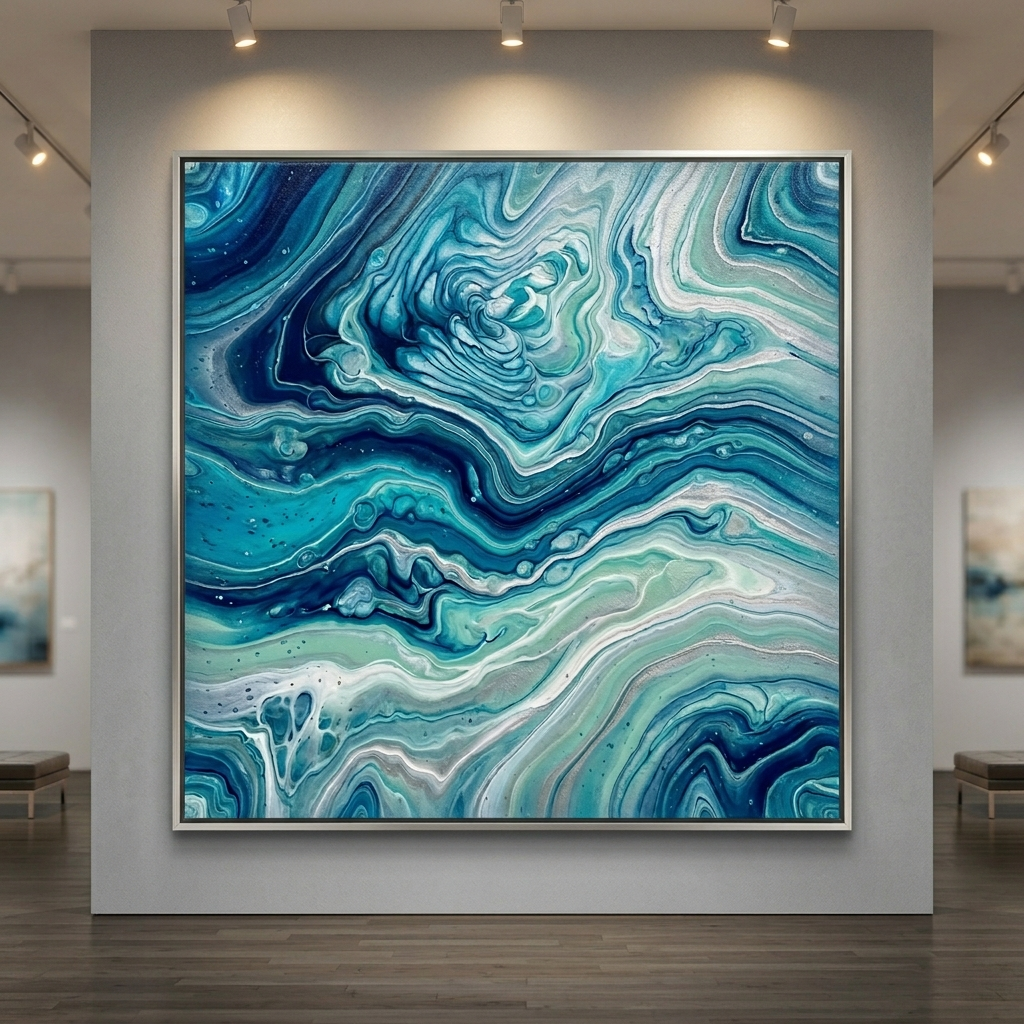
Abstract Painting is one of the most fascinating and expressive forms of visual art. Unlike traditional artwork that aims to represent recognizable objects, people, or landscapes, abstract art focuses on colors, shapes, textures, lines, and emotions. It invites viewers to interpret the artwork through their own experiences and imagination rather than presenting a clear and literal subject.For artists and art enthusiasts alike, abstract painting offers unlimited creative freedom. Whether you are an experienced painter or a beginner exploring artistic expression, abstract art allows you to communicate feelings, moods, and ideas in unique and personal ways.
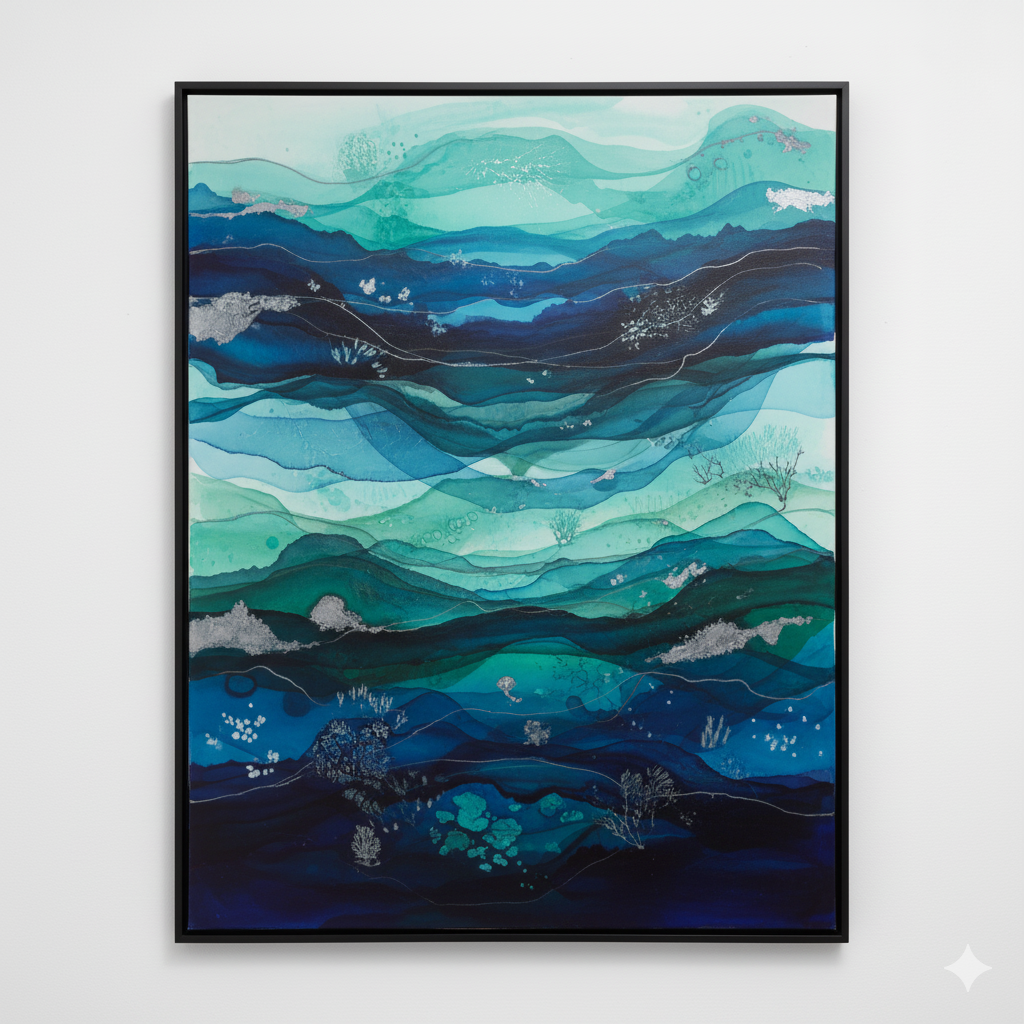
1. The History of Abstract Painting
The roots of abstract art can be traced back to the late nineteenth and early twentieth centuries when artists began moving away from realistic representation. They sought new ways to express emotions, spirituality, and modern life through visual elements rather than recognizable subjects.Pioneering artists such as Wassily Kandinsky, Piet Mondrian, and Kazimir Malevich played significant roles in shaping the abstract movement. Their innovative approaches challenged traditional artistic conventions and paved the way for modern art.Over time, abstract painting evolved into numerous styles, including geometric abstraction, color field painting, abstract expressionism, and contemporary abstract art. Today, abstract paintings are displayed in galleries, homes, offices, and public spaces around the world.
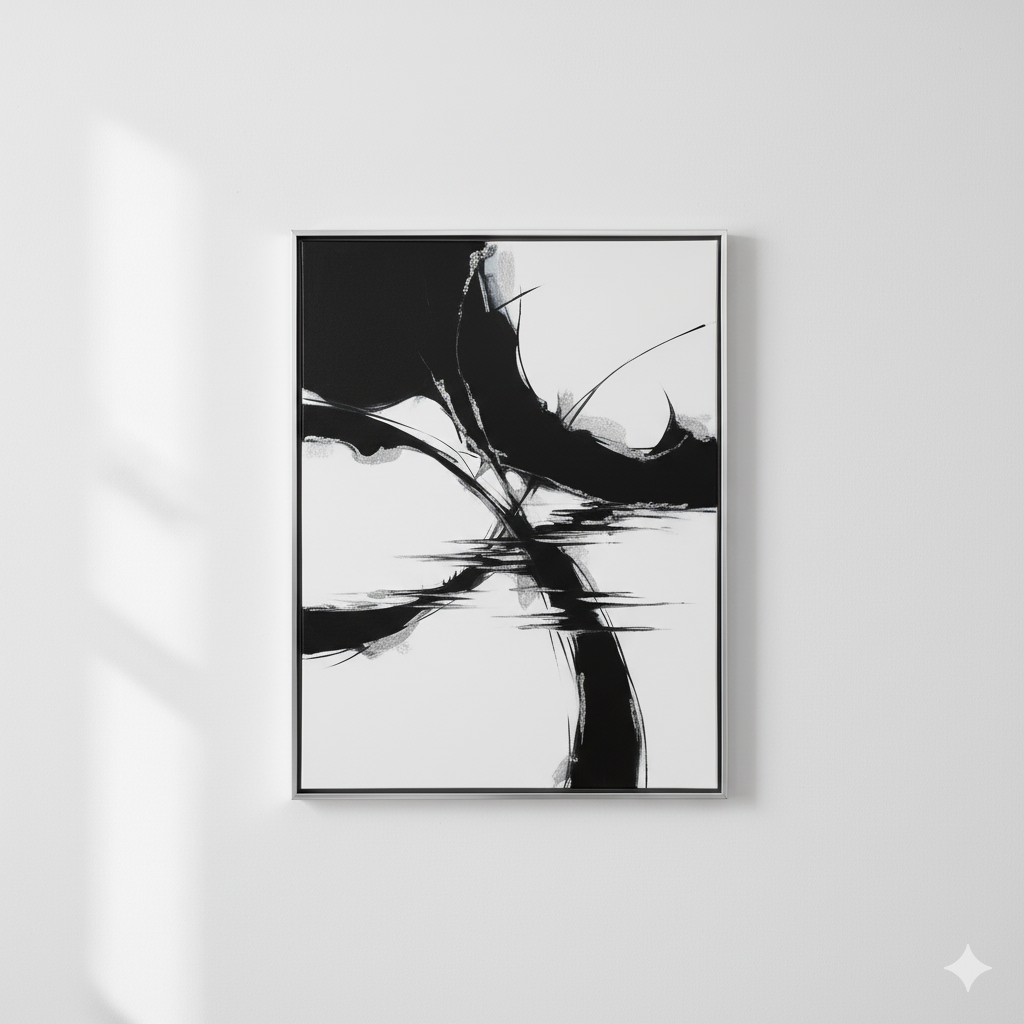
2. Why Abstract Painting Remains Popular
Abstract art has remained relevant for over a century because it offers something unique that realistic art often cannot.
- Unlimited Interpretation
Each viewer can create their own meaning from an abstract piece. There is no right or wrong way to experience the artwork.
- Emotional Impact
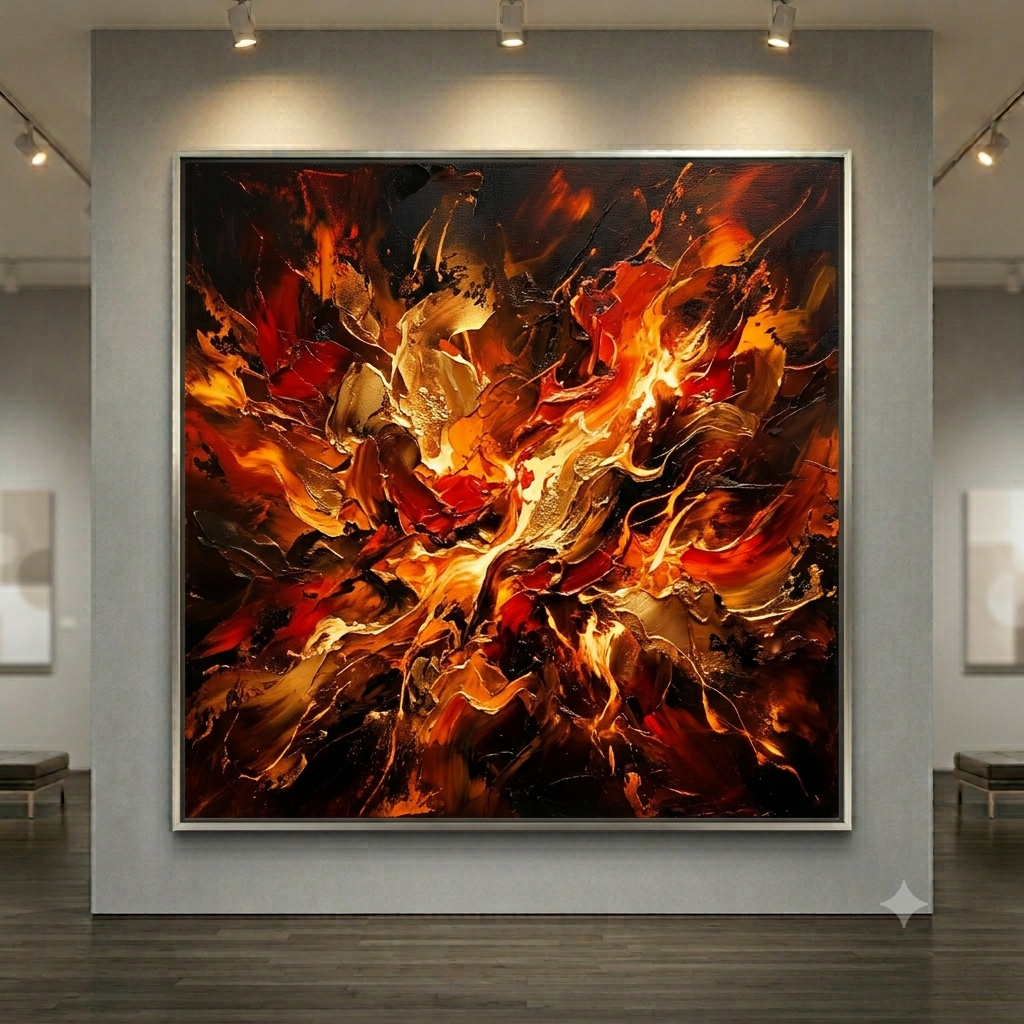
Colors, textures, and movement can evoke powerful emotional responses. A painting filled with bold reds and dynamic brushstrokes may feel energetic, while soft blues and flowing shapes may create a sense of calm.
- Modern Interior Design Appeal
Abstract paintings fit beautifully into contemporary homes, offices, and commercial spaces. Their versatility makes them suitable for nearly any decor style.
- Creative Freedom
Artists enjoy abstract painting because it removes many traditional restrictions. Creativity becomes the primary focus.
3. Step-by-Step: How to Create Your Own Abstract Painting
Ready to try it yourself? Here’s a simple guide to get started:
Step 1: Choose Your Materials
You’ll need:
- Canvas or paper
- Acrylic or oil paints
- Brushes or palette knives
- A drop cloth to protect your space
Find beginner-friendly supplies here: Abstract Painting Supplies on Amazon.
Step 2: Set Your Mood
Abstract painting is emotional. Play your favorite music, clear your mind, and focus on how you feel.
Step 3: Pick Your Colors
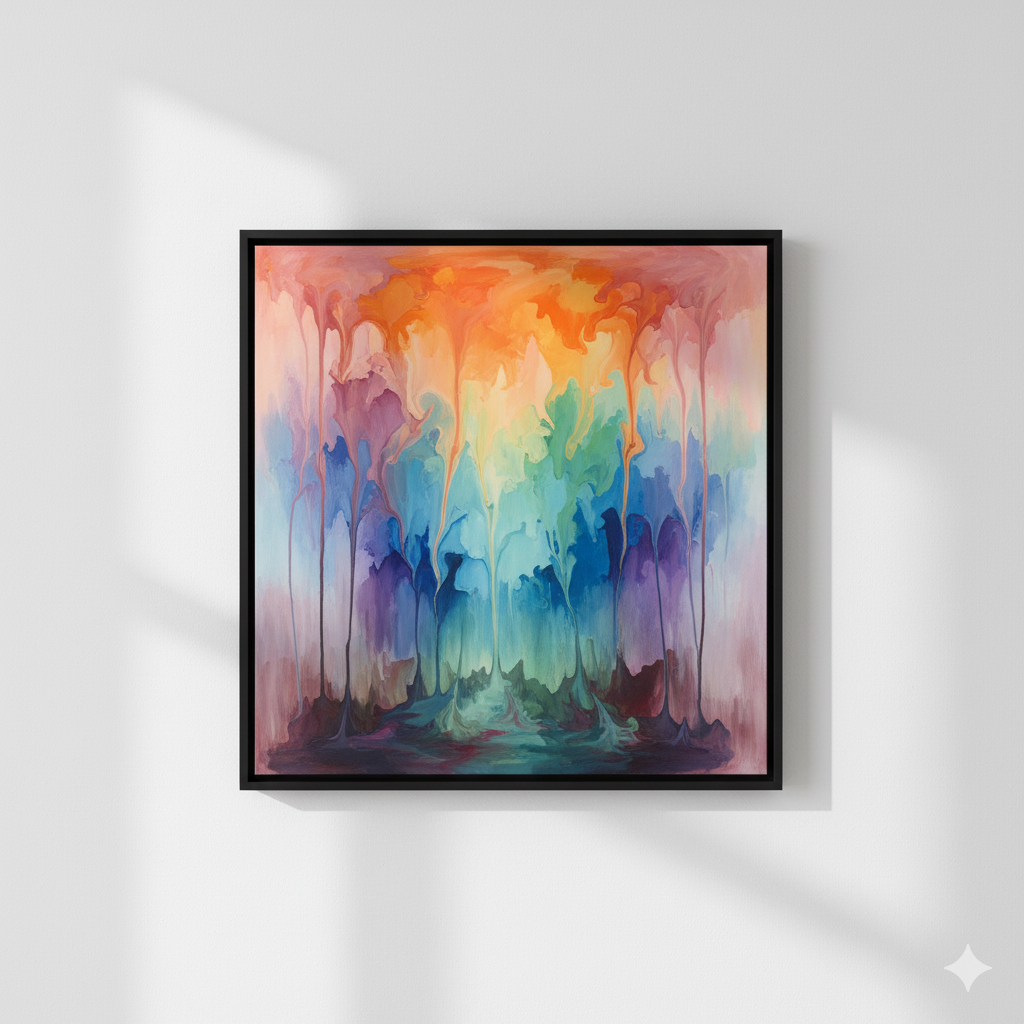
Think about the emotion you want to express. Reds and oranges for passion, blues and purples for calmness, yellows for joy are used in painting .
Step 4: Let Go of Control
Start painting — don’t overthink it. Let your hands move freely. Experiment with splattering, blending, or layering paint.
Step 5: Step Back and Observe
After you finish, take a few minutes to look at your work from different angles. Abstract art often reveals hidden shapes and emotions over time.
4. Styles of Abstract Painting Through Time
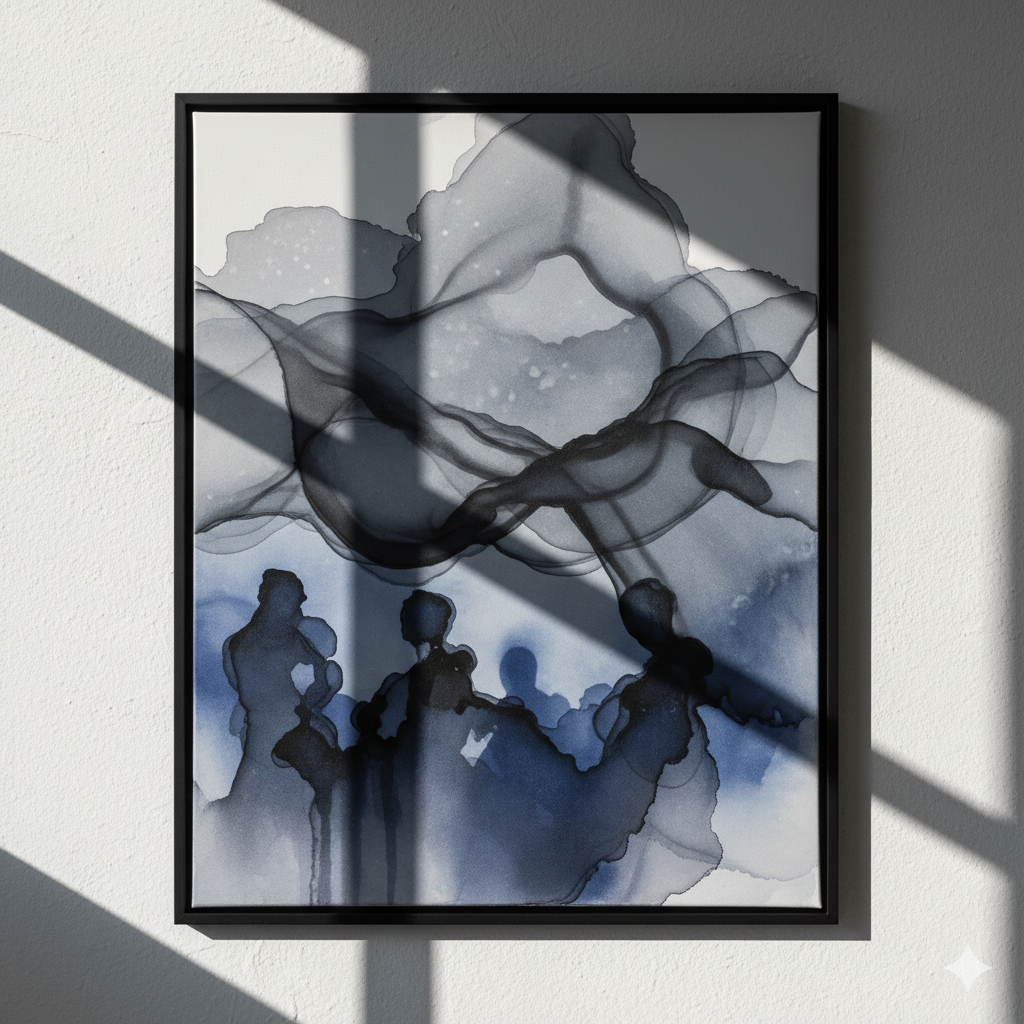
Abstract art is not one single style — it’s a spectrum of ideas and experiments. Over the past century, artists have developed countless forms of abstraction. Let’s explore some of the most fascinating ones:
1. Cubism
Developed by Pablo Picasso and Georges Braque, Cubism broke down subjects into geometric shapes and overlapping perspectives. Instead of painting what’s visible, artists depicted how things felt from multiple angles.
2. Lyrical Abstraction
This movement focused on fluid shapes and expressive color. Think of it as visual poetry — a dance of emotion on the canvas.
3. Abstract Expressionism
Led by artists like Jackson Pollock, Willem de Kooning, and Mark Rothko, this mid-century movement celebrated spontaneity and raw emotion. It emphasized process over precision — a reflection of human freedom.
4. Minimalist Abstraction
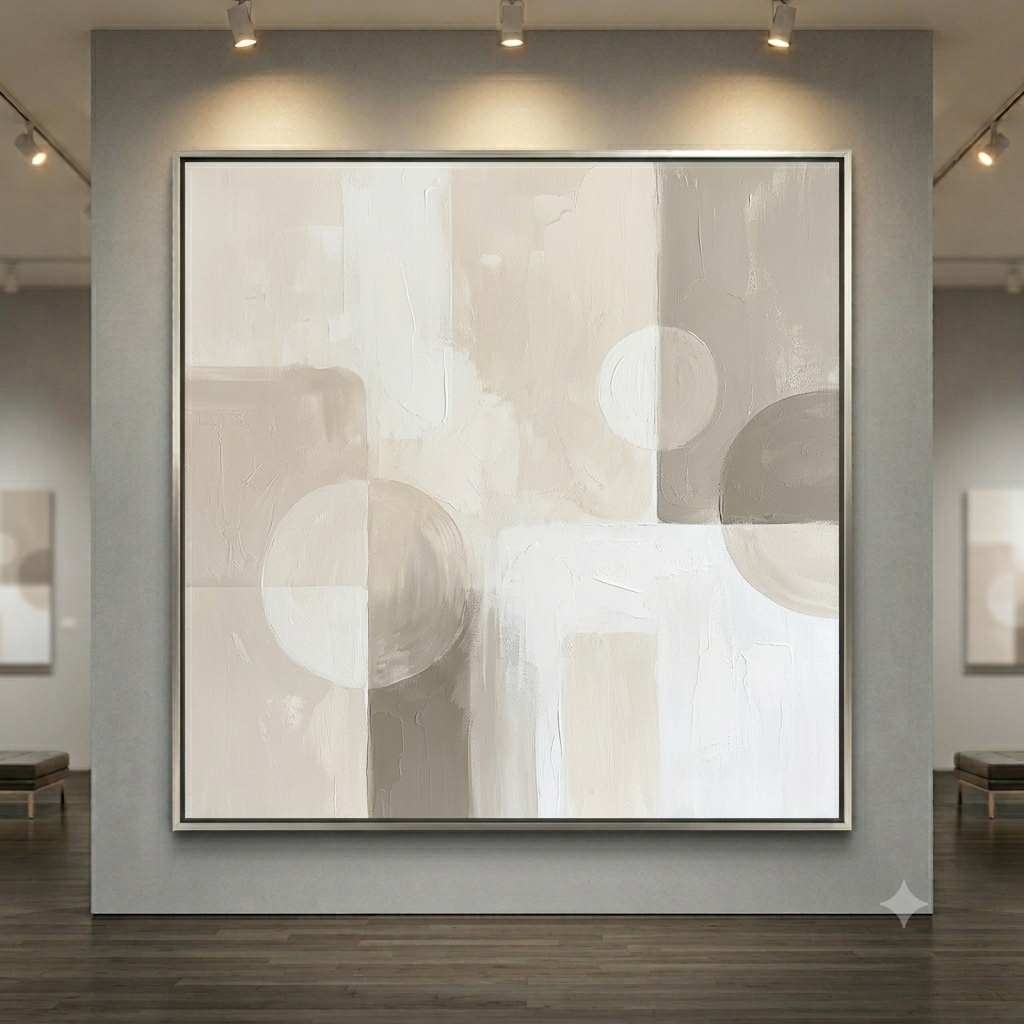
In the 1960s, artists turned to simplicity. Minimalist painters such as Agnes Martin and Frank Stella used clean lines and subtle gradients to evoke peace and contemplation.
5. Digital Abstraction
Today’s artists use digital tools to create stunning works that combine traditional emotion with modern technology. Abstract art continues to evolve — its language infinite and ever-changing.
5. Famous Abstract Painters to Inspire You
If you’re looking for inspiration, here are some artists whose works define the spirit of abstraction:
- Wassily Kandinsky – believed that color could represent sound and emotion.
- Mark Rothko – explored spirituality through vast fields of color.
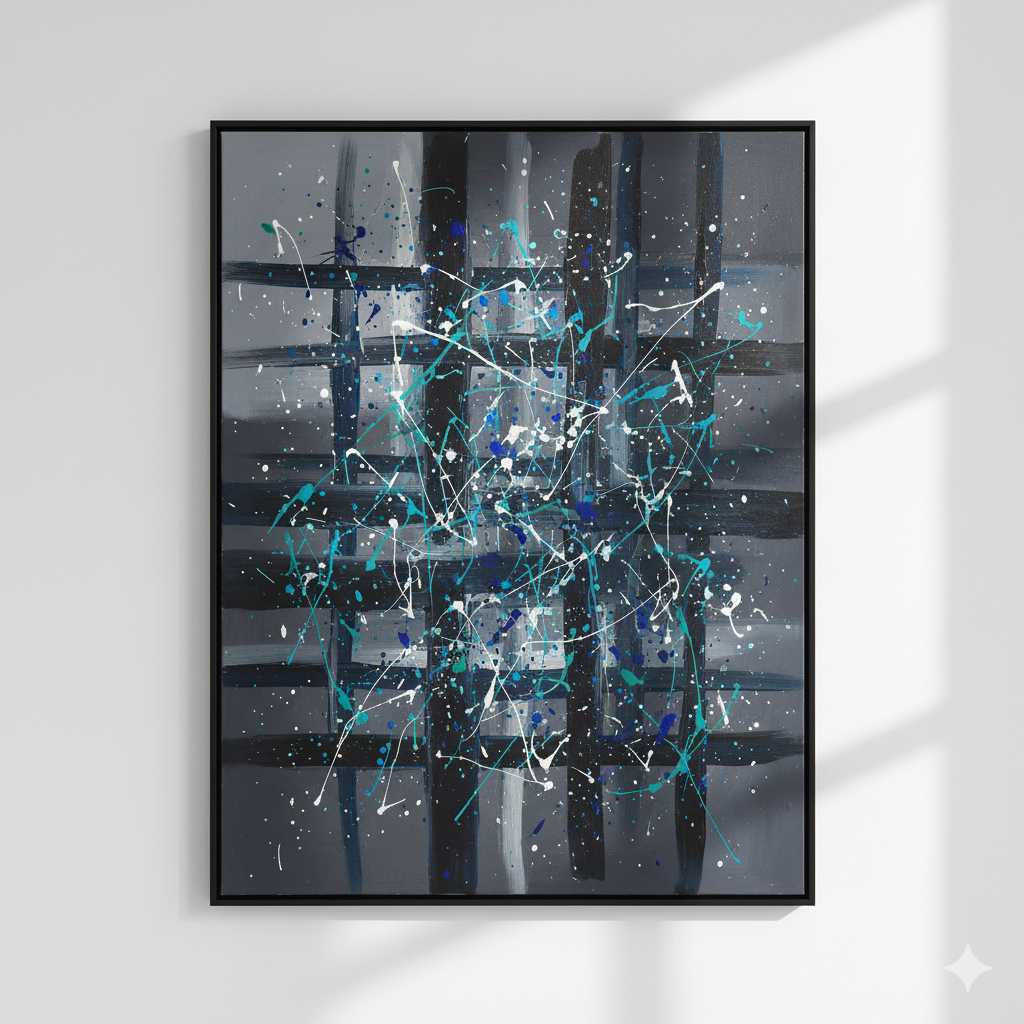
- Jackson Pollock – captured energy through his revolutionary drip technique.
- Helen Frankenthaler – pioneered color field painting with her fluid, lyrical style.
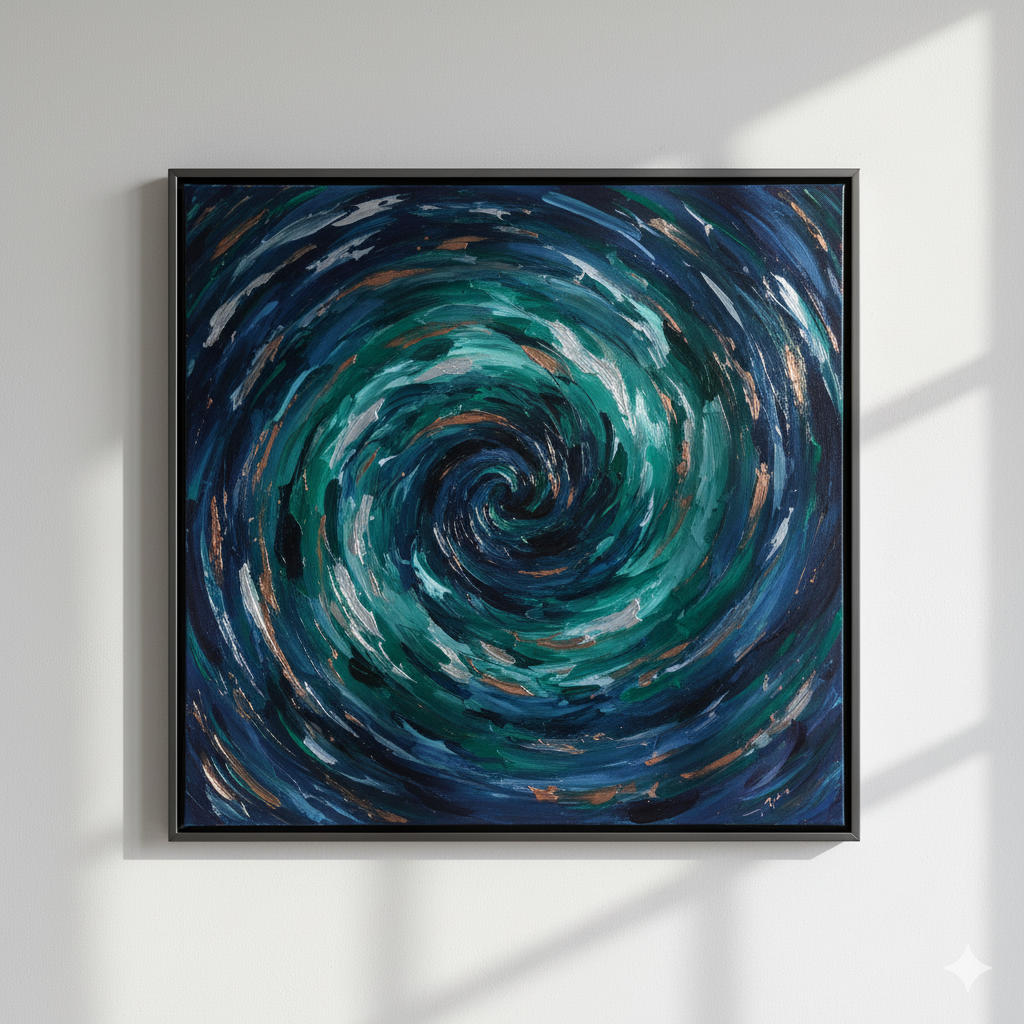
- Joan Mitchell – expressed emotion and movement through expressive brushwork.
6. How Beginners Can Start Abstract Painting
Getting started is easier than many people think.
1. Choose Your Materials
Begin with a canvas, acrylic paints, brushes, and a palette. Acrylics are beginner-friendly because they dry quickly and are easy to work with.
2. Focus on Emotions
Instead of painting an object, think about a feeling you want to express. Happiness, excitement, peace, and curiosity can all inspire unique compositions.
3. Experiment Freely
Abstract art encourages exploration. Try different brushstrokes, color combinations, and textures without worrying about perfection.
4. Learn Through Observation
Study works from famous abstract artists and observe how they use composition, color, and movement.
5. Practice Consistently
The more you paint, the more confident and creative you’ll become.
7. Common Mistakes Beginners Should Avoid
- Overthinking the Process
Abstract art thrives on spontaneity. Trying to control every detail can limit creativity.
- Using Too Many Colors
While vibrant palettes are exciting, too many competing colors can create visual confusion.
- Ignoring Composition
Even abstract works benefit from thoughtful arrangement and balance.
- Fear of Mistakes
Unexpected marks often become the most interesting parts of a painting.
- Comparing Yourself to Others
Every artist develops their own style over time. Focus on personal growth rather than comparison.
8. Finding Inspiration for Abstract Painting
Inspiration can come from countless sources, including:
Keeping an art journal can help capture ideas, color combinations, and visual concepts for future projects.
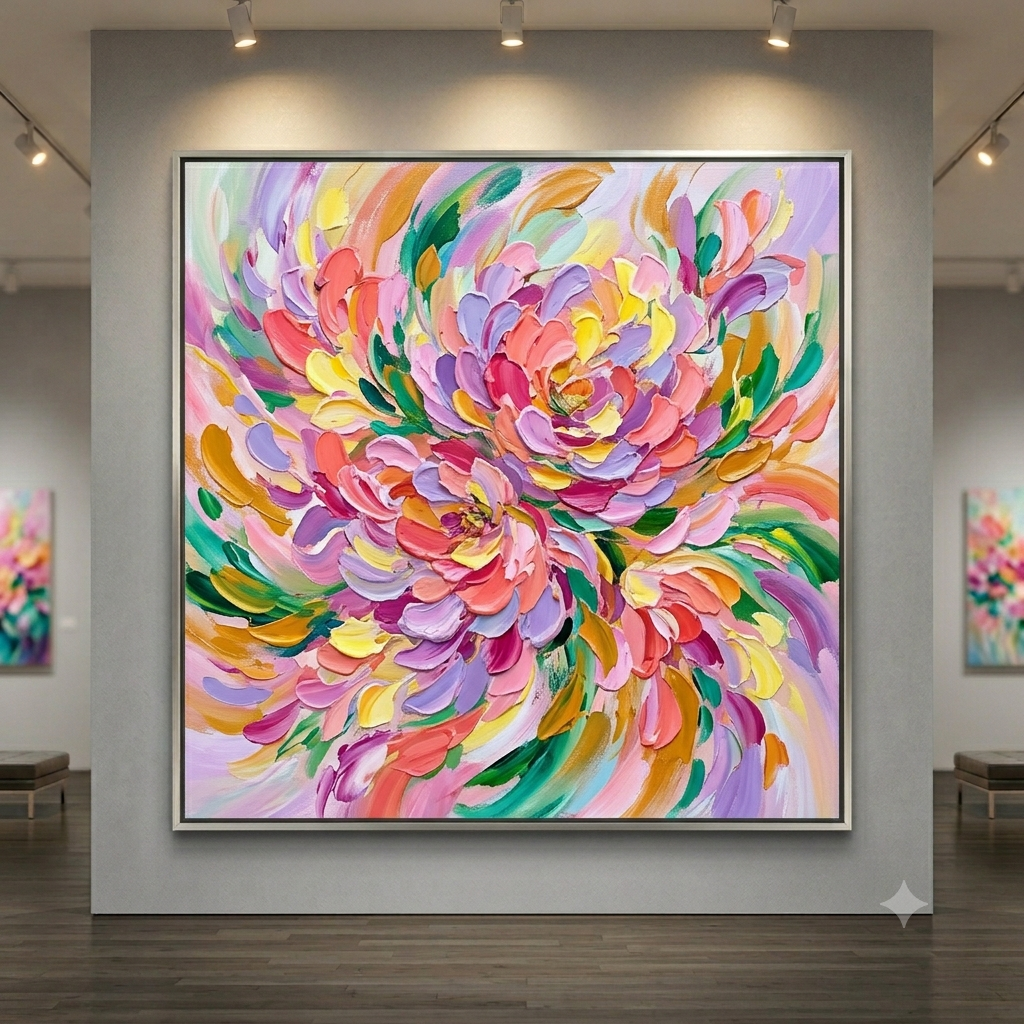
9. Abstract Painting in the Digital Age
Technology has expanded the possibilities of abstract art. Digital painting software allows artists to experiment with colors, textures, and compositions without traditional materials.
Many contemporary artists combine digital and traditional methods to create innovative works that appeal to modern audiences.
Social media platforms have also helped abstract artists reach global audiences, making it easier than ever to share and sell artwork online.