Everything You Need to Know About Abstract Painting
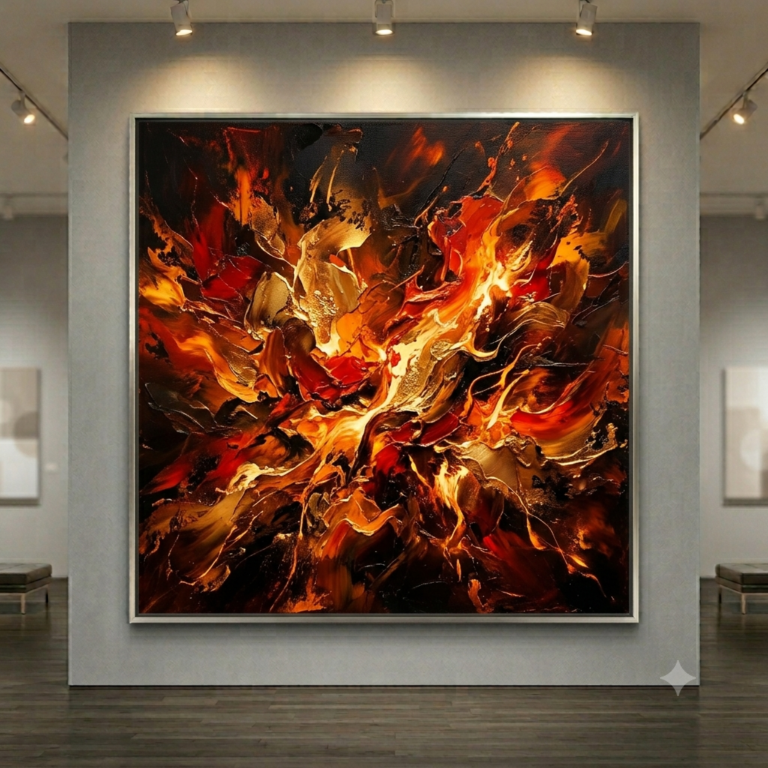
Have you ever stood in front of a painting and wondered, “What exactly am I looking at?” If so, chances are you were admiring an Abstract Painting. Unlike traditional art that aims to recreate reality, abstract art invites you to feel rather than simply see. It sparks curiosity, encourages interpretation, and gives both artists and viewers complete freedom to explore emotions and ideas.I’ve always found abstract art fascinating because there are no strict rules. One person may see a peaceful landscape hidden within colorful brushstrokes, while another may feel excitement, movement, or even nostalgia. That’s the beauty of it. Every Abstract Painting tells a different story depending on who is looking at it.
1. What Is Abstract Painting?
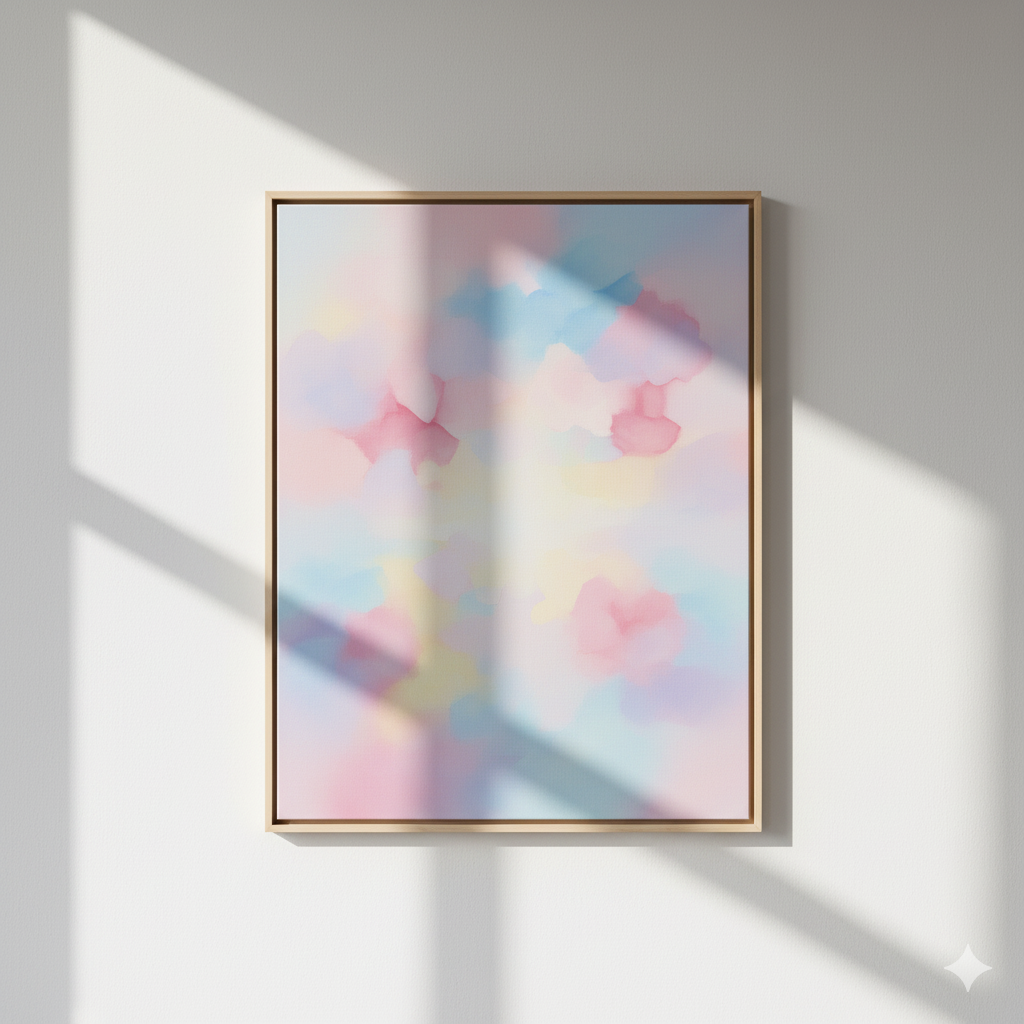
At its core, Abstract Painting is a style of art that does not attempt to represent objects, people, or scenes exactly as they appear in real life. Instead, artists use colors, shapes, textures, lines, and forms to express emotions, concepts, or experiences.
Think about music for a moment. A song can make you feel happy, sad, energized, or relaxed without showing you a physical image. Abstract art works in a similar way.
Key Characteristics of Abstract Painting
Some common features include:
- Bold or unusual color combinations
- Non-representational shapes
- Dynamic brushwork
- Strong focus on emotion
- Creative use of texture
- Open interpretation by viewers
This freedom is what makes abstract art so exciting. There’s no single “correct” way to understand a piece.
2. Why People Love Abstract Painting
What makes abstract art so popular after more than a century? The answer is surprisingly simple: it speaks differently to everyone.
It Encourages Personal Interpretation
When you look at a realistic painting of a tree, you see a tree. When you look at an abstract painting, you might see movement, energy, memories, or feelings.
This personal connection keeps viewers engaged. Have you ever looked at abstract artwork and discovered something new every time? That’s part of the magic.
It Creates Emotional Impact
Colors and shapes can influence emotions in powerful ways.
For example:
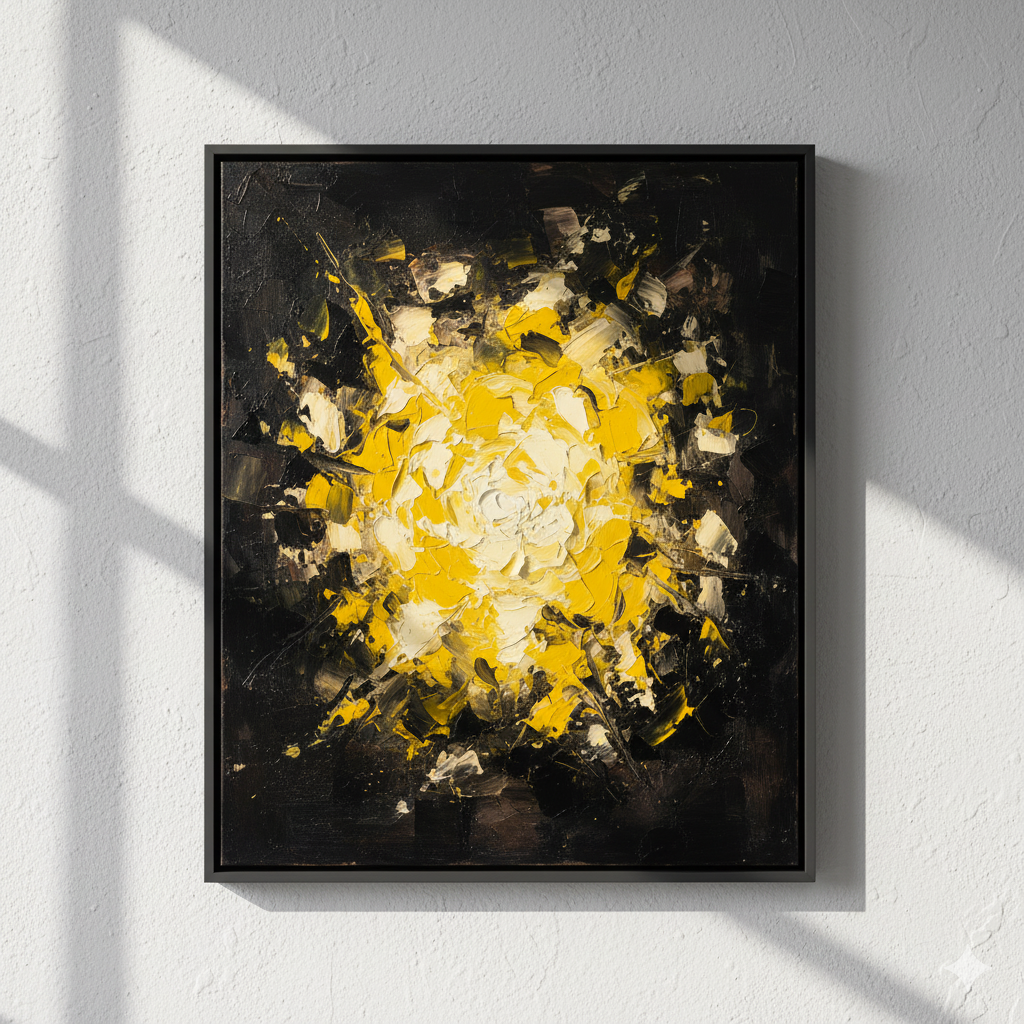
- Bright yellow may suggest happiness.
- Deep blue may evoke calmness.
- Red often conveys passion or energy.
- Black can add mystery or drama.
Artists intentionally use these elements to create emotional experiences.
It Fits Modern Spaces Perfectly
Modern homes, offices, cafes, and hotels often feature abstract artwork because it complements contemporary design beautifully.
Large canvas pieces can transform a plain room into a stylish and sophisticated space.
3. Types of Abstract Painting You Should Know
Let’s break down a few popular types of abstraction — because not all “abstract” is created equal:
1. Action Painting
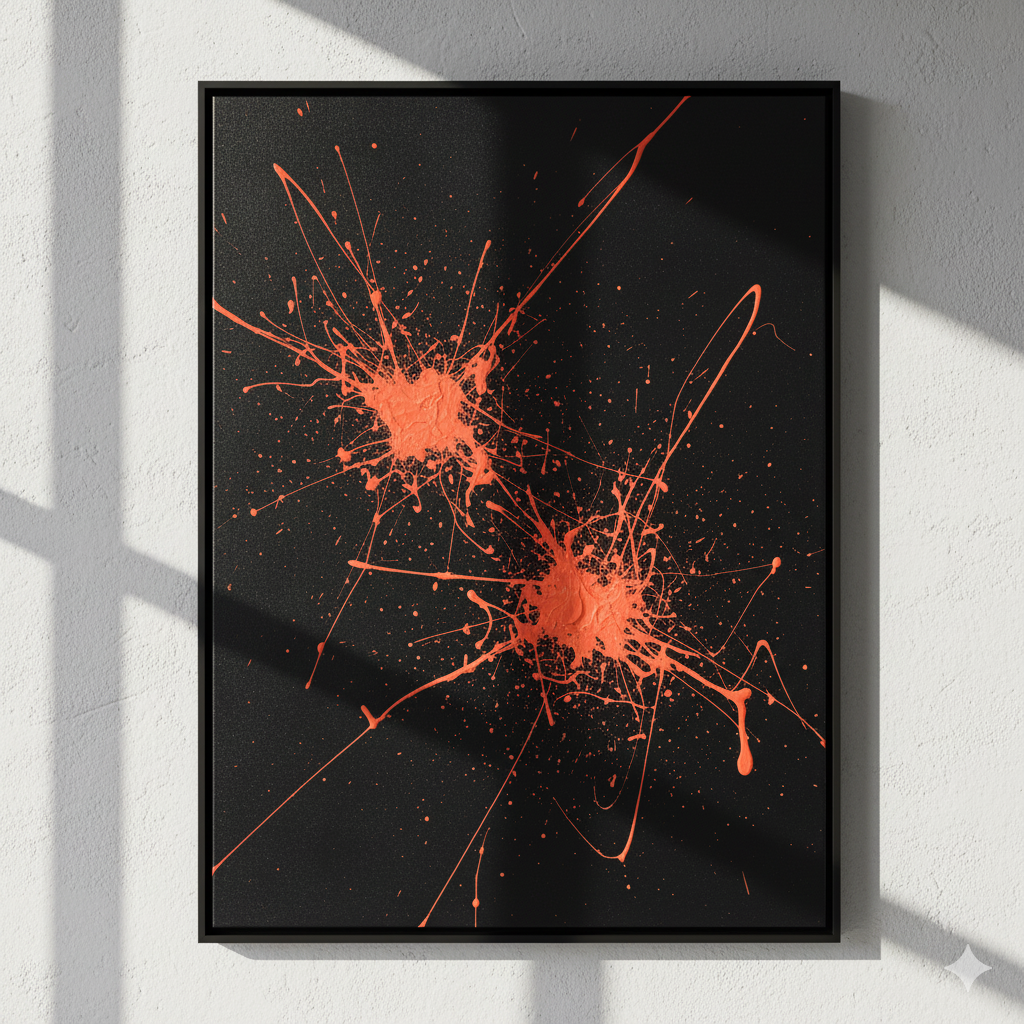
Think Jackson Pollock — chaos, energy, dripping paint, and raw movement. It’s about feeling rather than planning.
2. Color Field Painting
Artists like Mark Rothko used soft, overlapping fields of color to stir deep emotions — peace, sadness, awe.
3. Geometric Abstraction
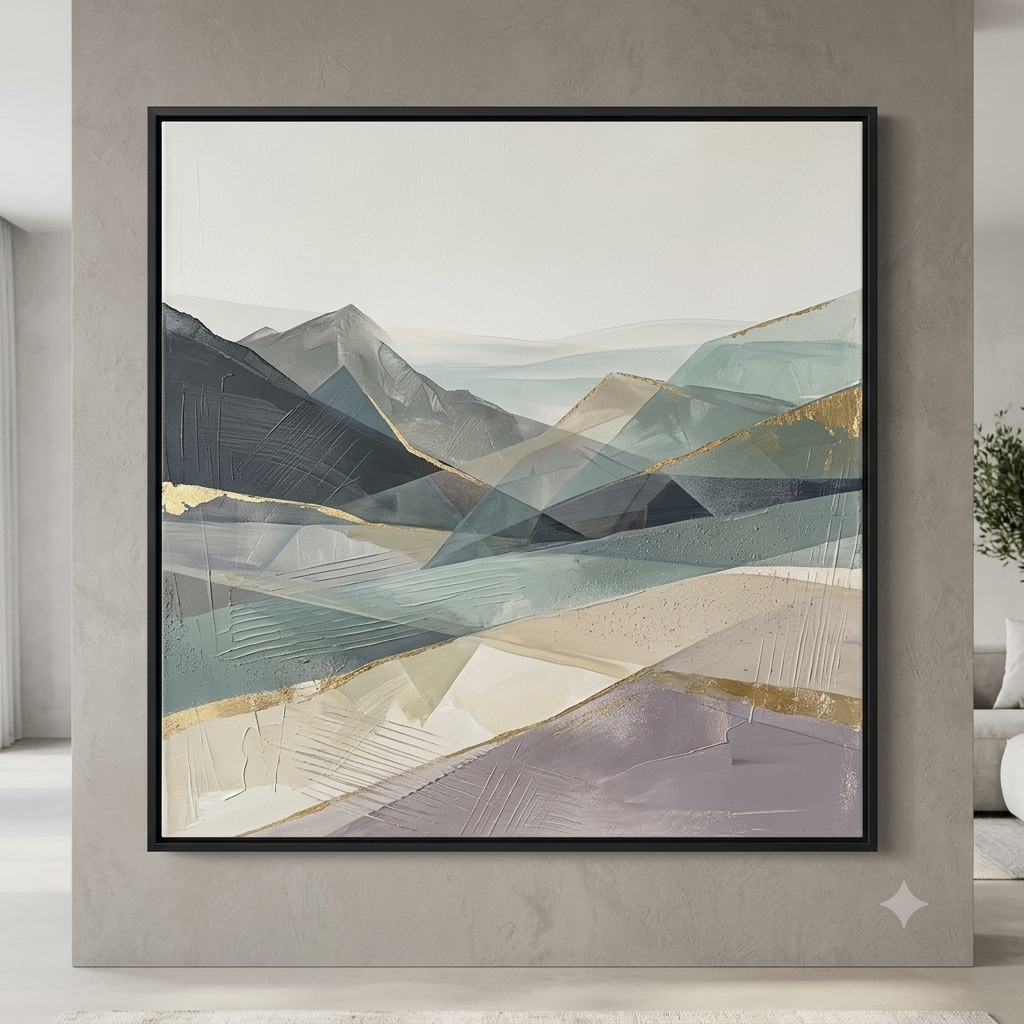
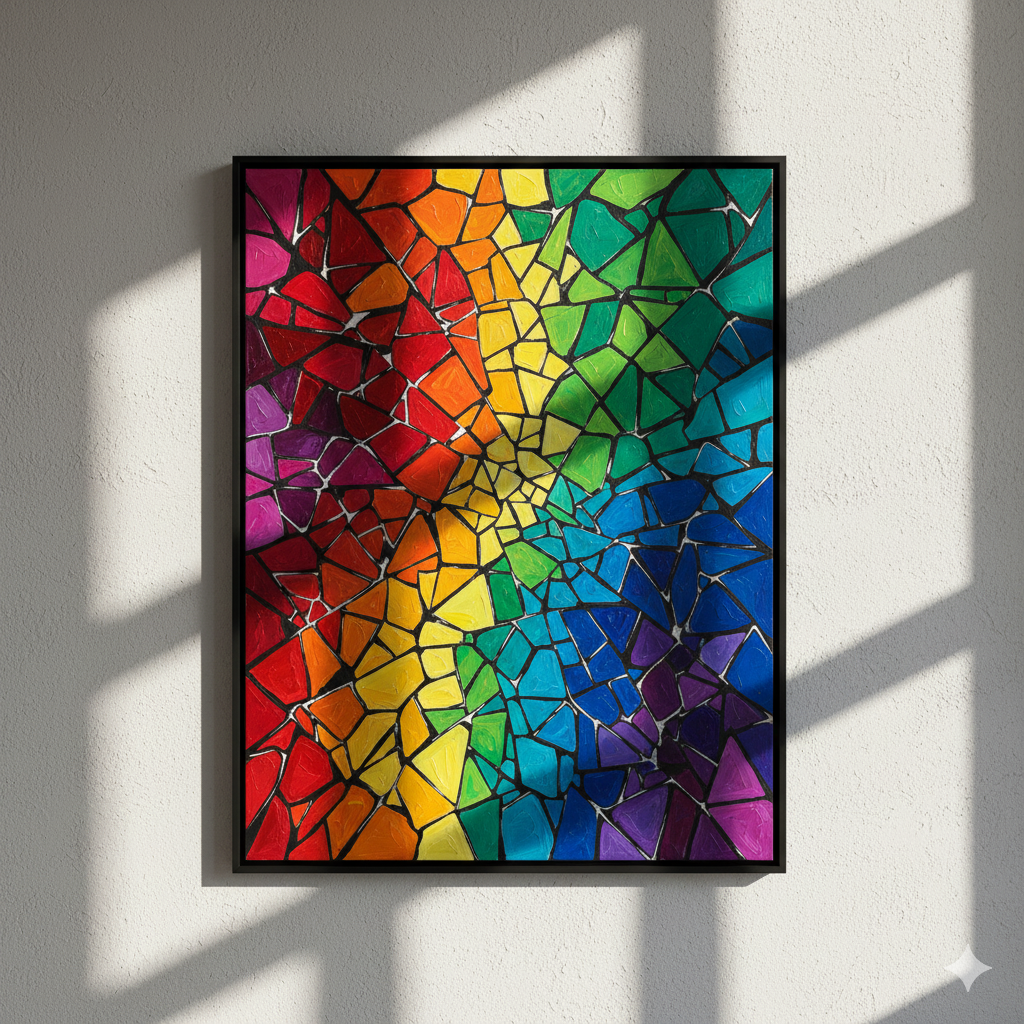
Straight lines, symmetry, and clean shapes. It’s modern, calming, and perfect for minimalist decor.
4. Minimalist Abstracts
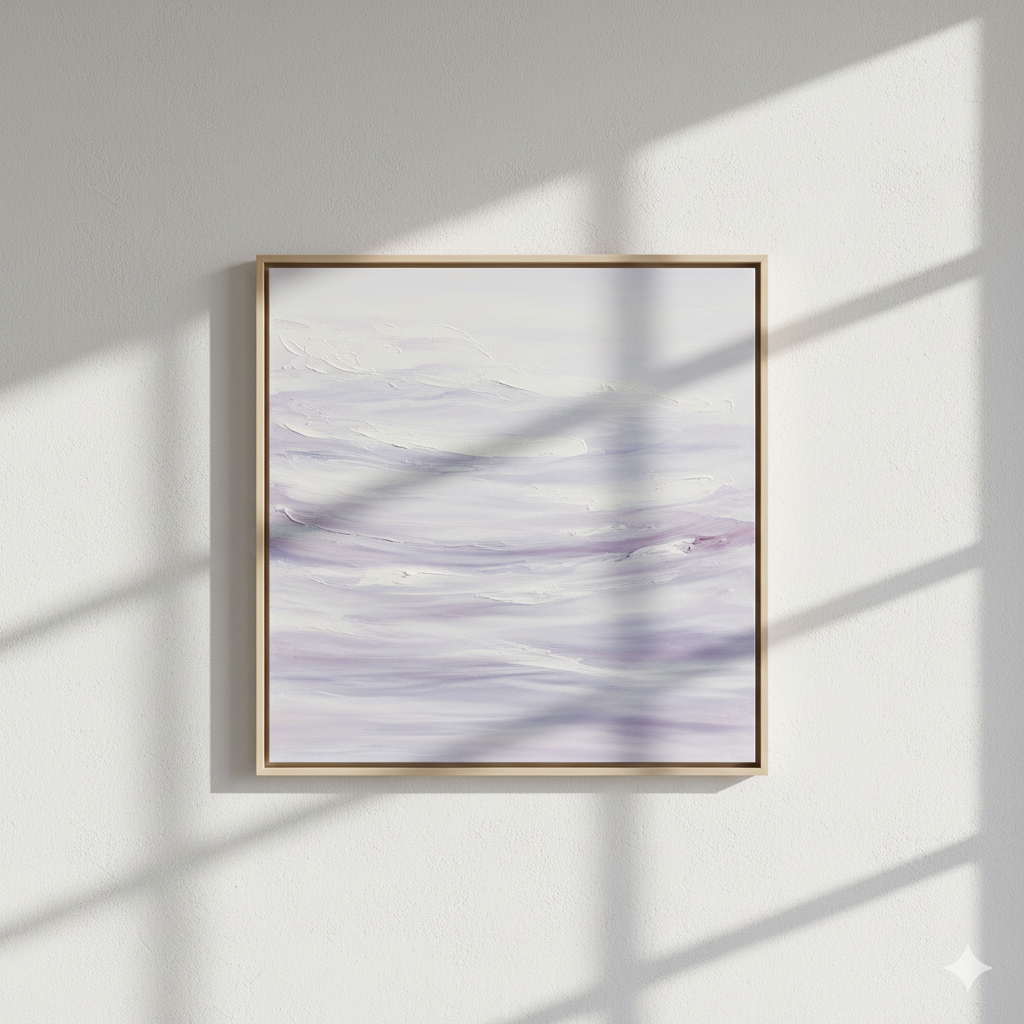
Less is more! Simple forms, negative space, and gentle hues — great for people who love balance and quiet beauty.
5. Abstract Realism
A mix of reality and abstraction — where you can almost see recognizable forms, but not quite .
4. Why Abstract Art Hits So Deep
Ever notice how some art just gets you — even if you can’t explain why? That’s the magic of abstraction.
1. It Speaks to the Soul, Not the Mind
When you look at a realistic painting, your brain immediately identifies things — “That’s a flower,” “That’s a house.” But with abstract art? There’s no script. It’s all raw emotion and personal interpretation.
2. It Reflects Who You Are (Seriously)
Your reaction to an abstract piece says a lot about you. Do you see chaos or freedom? Calm or loneliness? Abstract art is like a mirror for your inner world.
3. It Frees the Artist
Abstract artists aren’t tied to “rules.” They can splash, pour, or even throw paint. It’s pure, intuitive creation — like dancing with color.
5. The Benefits of Abstract Painting
Creating abstract art isn’t just enjoyable. It also offers several personal benefits.
Stress Relief
Painting encourages mindfulness and helps you focus on the present moment.
Many people use abstract art as a relaxing creative outlet.
Improved Creativity
The process strengthens your ability to think creatively and solve problems.
This benefit often extends beyond art into daily life.
Emotional Expression
Not every feeling is easy to describe with words.
Abstract painting provides an alternative way to communicate thoughts and emotions.
Increased Confidence
Completing a piece of artwork creates a genuine sense of accomplishment.
FYI, even professional artists still experience self-doubt from time to time. The key is to keep creating.
6. How to “Read” an Abstract Painting
Here’s a secret: you don’t have to understand it. You just have to feel it. But if you want to get a little more out of your experience, here’s what I do:
- Step back. Don’t analyze it up close right away — let the overall vibe hit you first.
- Notice your emotions. Do you feel calm, energized, sad, or curious? That’s the key.
- Look for patterns. Are there recurring shapes, colors, or directions? They might tell a subtle story.
- Trust your gut. There’s no wrong answer — your interpretation is just as valid as the artist’s.
7. Famous Abstract Artists Who Changed the Game
If you want to explore more, here are a few legends worth googling:
- Wassily Kandinsky – Considered the “father” of abstract painting. He believed colors had sounds and emotions.
- Piet Mondrian – His grid-based, geometric works shaped modern art and design forever.
- Helen Frankenthaler – A pioneer of lyrical abstraction; her soft color washes are breathtaking.
- Gerhard Richter – Blends realism and abstraction with stunning control and emotion.
- Hilma af Klint – One of the earliest abstract painters (even before Kandinsky!) inspired by spiritual energy.
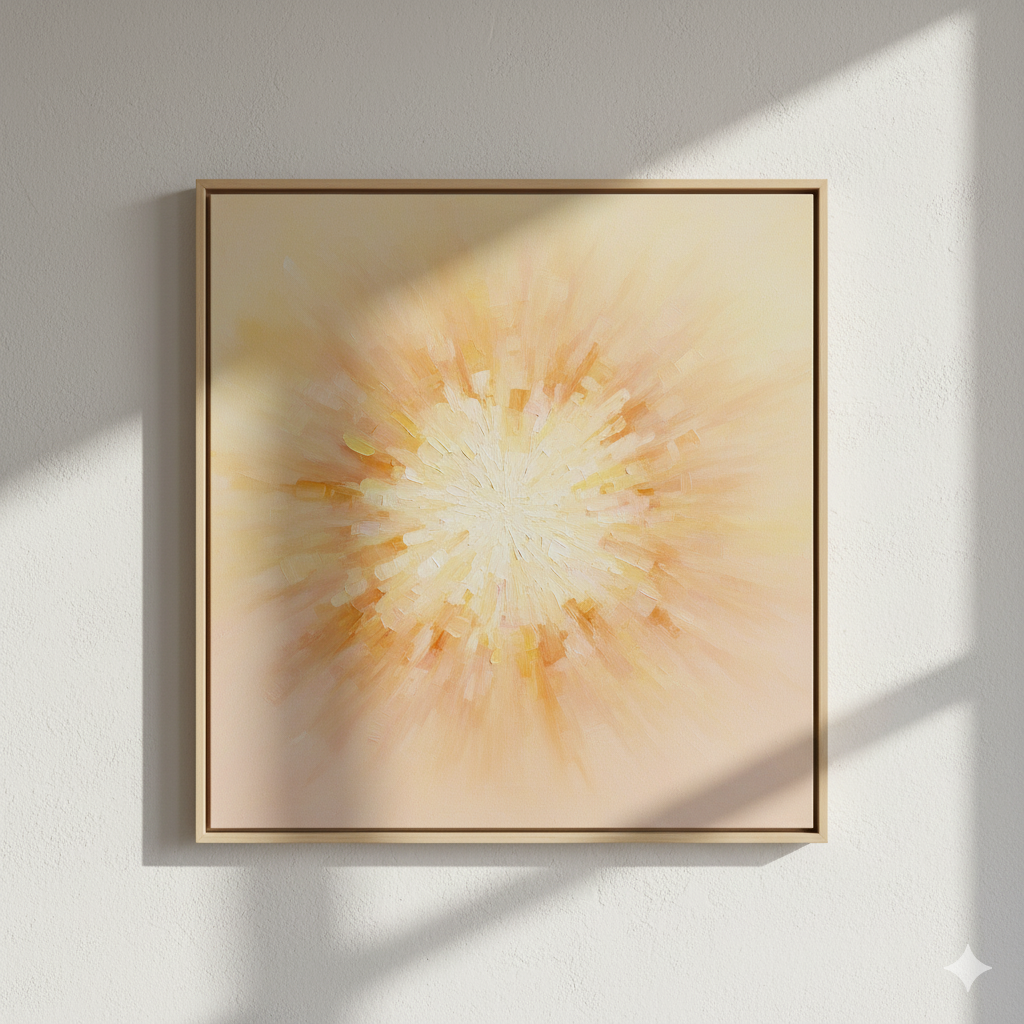
8. How to Start Your Own Abstract Art Journey
- Grab Some Supplies:
You can get a cheap set of acrylic paints, a few brushes, and a small canvas from any craft store.
- Set the Mood:
Put on some music that matches the energy you want to create.
- Cover the Canvas:
Start by painting the whole canvas one color. Anything but white!
- Just Start Making Marks:
Add shapes. Drag a brush. Flick some paint. Use a palette knife if you have one. Use your fingers!
- Embrace “Happy Accidents”:
Something looks like a mistake? Roll with it. See where it takes you. This is the heart of abstraction.
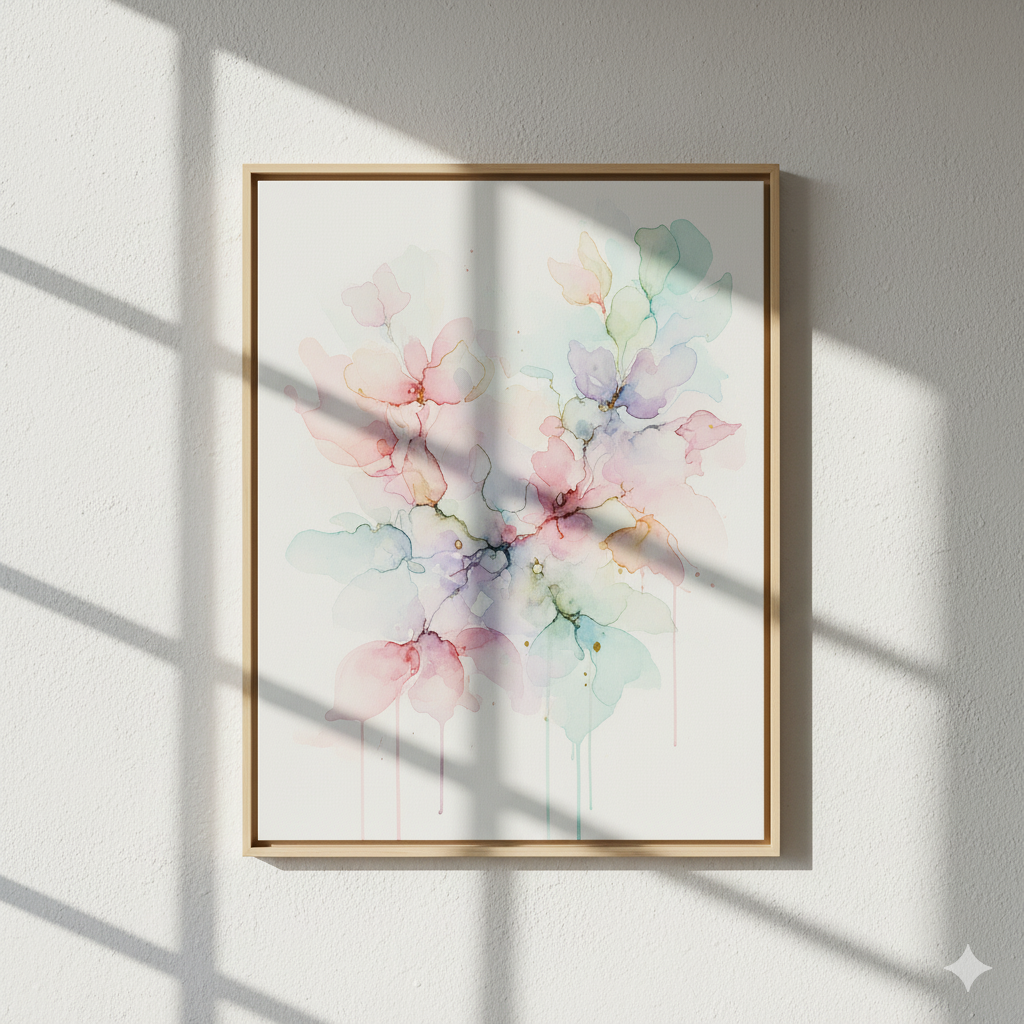
9. More options :
- Minimalist Abstract Oil Painting
- Modern Abstract Oil Paintings
- Abstract Canvas Wall Art
- Blue Abstract Wall Art
- ZENPEE Green Large Wall Art
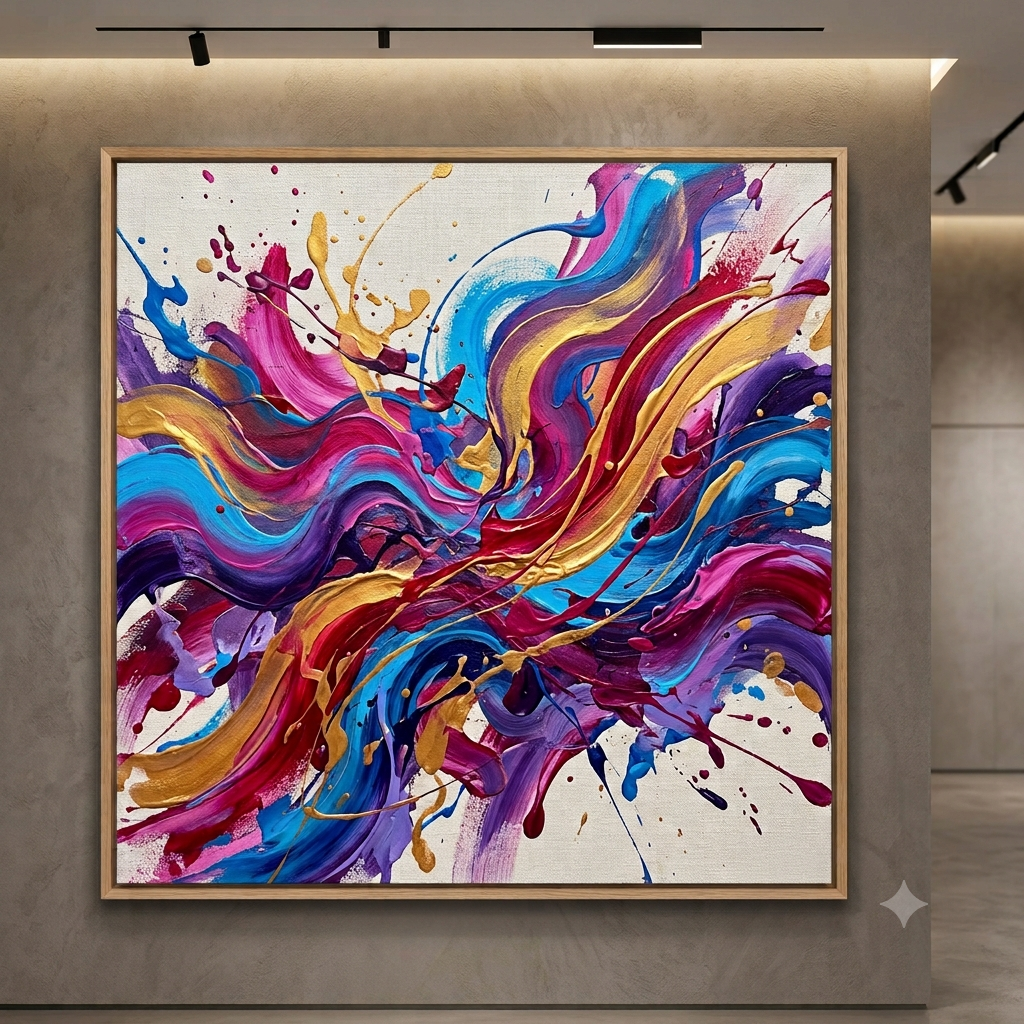
Abstract Painting is much more than random shapes and splashes of color. It is a powerful form of creative expression that allows artists to communicate emotions, ideas, and experiences without the limitations of realism. Through color, texture, movement, and imagination, abstract art creates a unique connection between the artist and the viewer.Whether you’re exploring abstract art for the first time or picking up a paintbrush to create your own masterpiece, remember that there are no rigid rules. Experiment freely, embrace imperfections, and trust your creative instincts.The next time you stand in front of an abstract painting, pause for a moment and ask yourself: “What does this piece make me feel?” The answer might surprise you—and that’s exactly what makes abstract art so unforgettable.